
Important records deserve more than a password
Important personal documents are the records you may need to find, understand, or pass on at an important moment. PrimiDS is in early access: a physical ToughKey HSM key designed to pair with encrypted storage and secure communications. Recovery, permissions, and audit run as live systems.
Start by separating the records, the storage question, and the unanswered access questions.
How should important documents be organized and stored? Identify records that matter, where each is kept, who may need access, and which custody or recovery questions remain open before you rely on a tool. PrimiDS is storage under physical root-key custody—not a password manager, legal service, or estate-planning tool.
What files might someone protect? Identity, household, financial, family, password-related, and will-related records are examples—not confirmed file types. A useful inventory notes where each record is kept and who may need it.
Is PrimiDS a password manager? No. It is not a password manager, legal service, or estate-planning tool.
Is storing a file the same as making a legal will? No. It is not legal advice, estate planning, or a statement about legal validity.
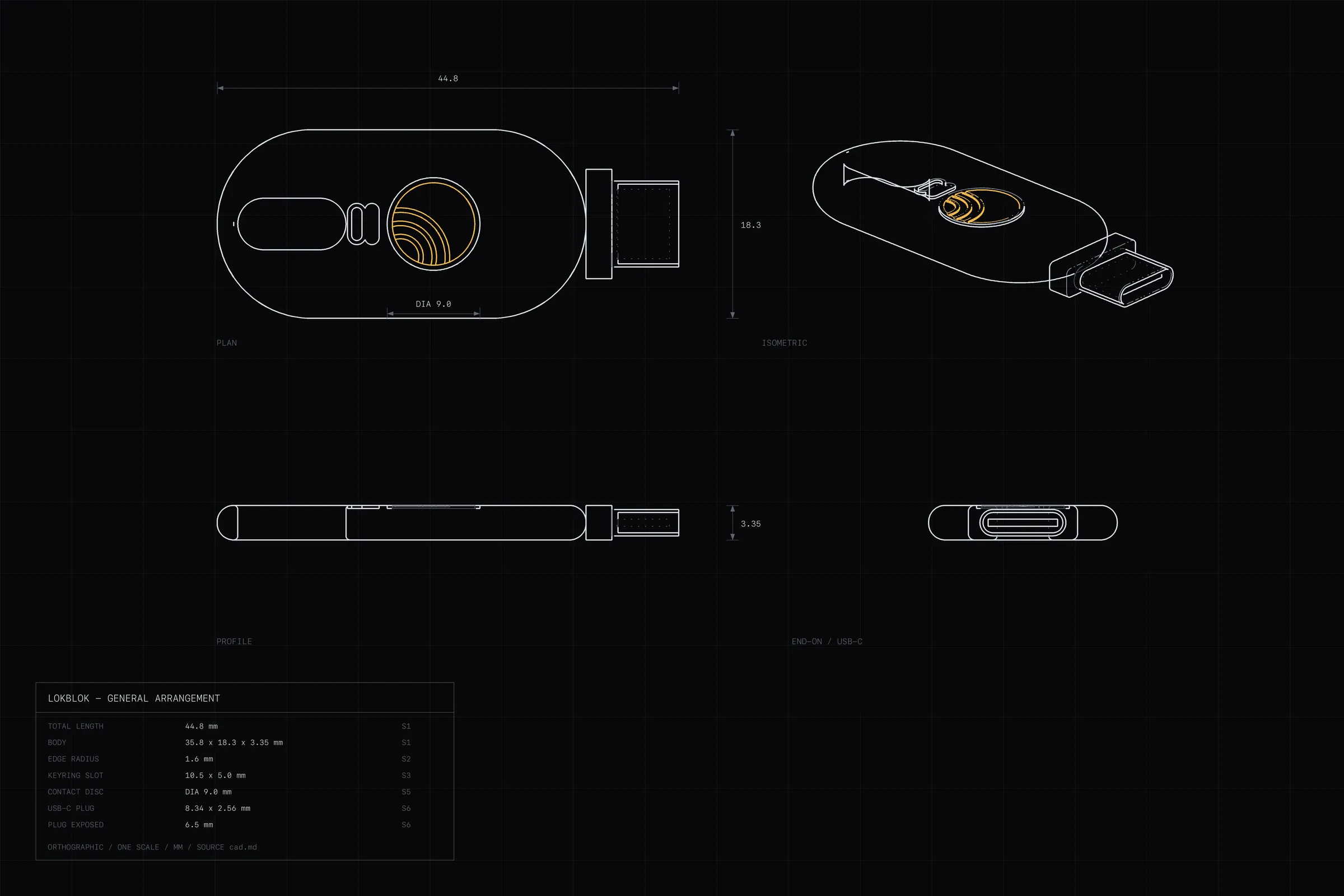
Keep the root cryptographic secret in a physical key.
Cloud storage, built-in device encryption, and password tools can address related needs. PrimiDS takes a different approach: it pairs software services with the physical ToughKey HSM key.
The architecture is designed to keep the root cryptographic secret in that physical key instead of treating it as a credential recoverable from the cloud. The model adds a physical-key requirement to the custody conversation and reduces reliance on remotely recoverable root credentials.
That is an architecture claim, not a promise that every risk is removed. It does not establish a specific device flow or encryption scope.
Before making this model part of your record plan, ask what happens during a change in personal circumstances, or a need for another person to locate information. Recovery is a live system; the early-access waitlist is the route to it. Beneficiary or executor access is not confirmed by a physical-key description alone.
In dedicated hardware
Root cryptographic secret
In software
PrimiDS software
In the cloud
Encrypted storage and secure communications
One system, two connected parts.
ToughKey is the physical key in the system. Managed Enrolment is the preferred public name for the software. PrimiDS is the platform those two sit on, intended for encrypted storage and secure communications. Together, they are designed to give the physical key a central role in the custody model.
This page explains the category and the question of key custody. It does not describe a finished setup sequence, supported device list, file workflow, or available service. See how the physical key fits the system for the product explanation. Use it to separate the architecture from setup, device, and sharing questions. Recovery is a live system; the early-access waitlist is the route to it.
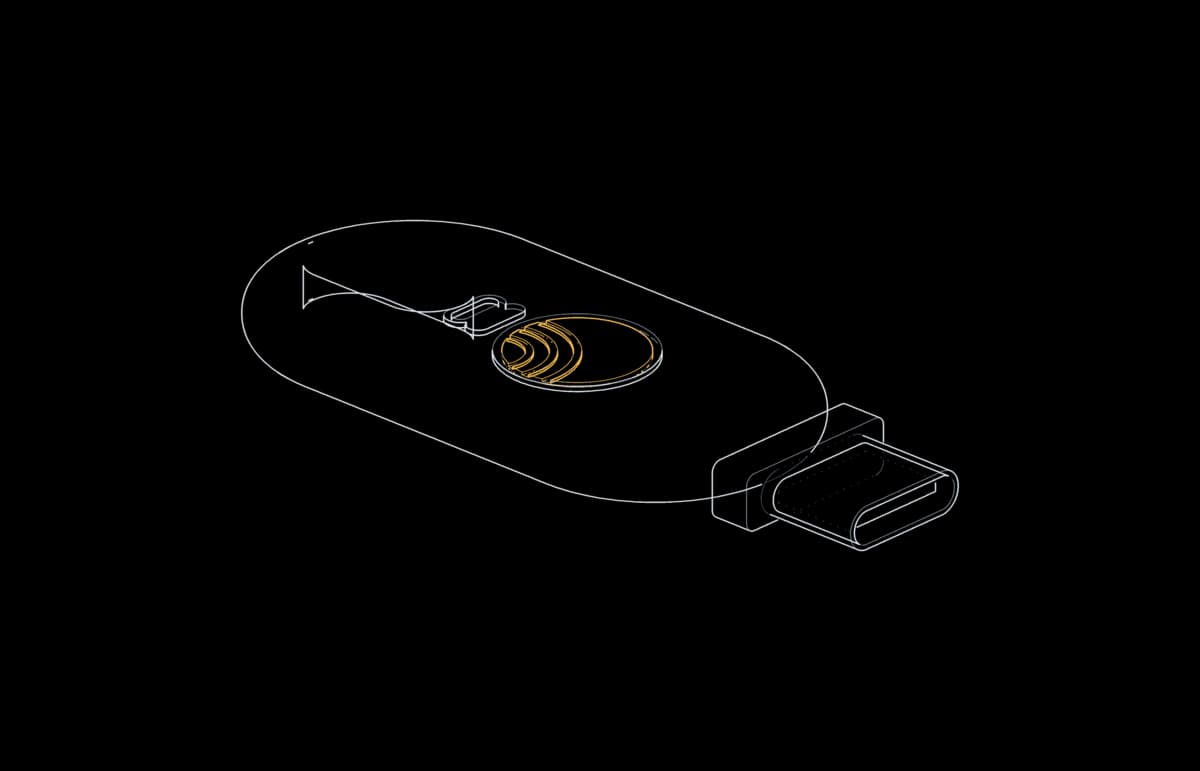
physical key
software platform
Ask directly about access, loss, and assurance before you rely on any security product.
Primi is not currently FIPS 140-2/140-3 or Common Criteria certified. Supported devices, encryption scope, communications protocols, and launch terms are refined as early access opens. Review security and assurance boundaries. For jurisdiction-sensitive guidance about personal records and digital legacy, see guides to protecting important documents. When a record has legal, family, or time-sensitive consequences, confirm professional and local requirements rather than treating storage alone as sufficient.
Can an executor or family member access information?
Beneficiary, executor, and post-death access are not confirmed. PrimiDS does not currently claim those roles.
What happens if ToughKey is lost or damaged?
Recovery is a live PrimiDS system. The early-access waitlist is the route to it; that is not possession of a replacement key, and hardware is not shipping now.
Compare custody models, not slogans.
Built-in encryption, software-only storage or password tools, and enterprise key infrastructure each serve different needs.
Use compare encrypted-storage approaches to consider recovery, key custody, sharing, administration, assurance evidence, and other questions that matter to you. For commercial terms, see individual offer terms.
A model to evaluate
PrimiDS is being developed for people who want to evaluate a combined software service and physical root-key model without assuming that one category is universally best.
Make your needs visible
The useful comparison is the one that makes your own access and recovery requirements visible.
Name what you control
A useful comparison names what you need to control, what recovery questions you cannot accept unanswered, and what evidence you would need before changing tools.
Interested in the individual offering?
PrimiDS is in early access. Join the waitlist for updates about the individual path; no checkout, shipping, or general availability is implied. Waitlist registration is an interest signal, not an order, reservation, or delivery promise. It does not set an expected release date, product configuration, or availability commitment. Use the waitlist only if you want updates while you continue to assess your own record and recovery requirements.
Keep evaluating
Explore how the physical key fits, security and assurance details, individual offer terms, compare encrypted-storage approaches, and the FAQ. These links support evaluation; they do not change PrimiDS’s early-access status or create an account, purchase, or service commitment. Check the linked pages as requirements and availability information changes. They are a way to prepare questions, not a substitute for confirmation of product terms.